Why World Meteorological Day Matters in a Climate-Uncertain World
New Delhi [India], April 09: Every year on March 23, the world comes together to observe World Meteorological Day. At its core, the day is about something we all experience daily but rarely think deeply about: the weather, the climate, and the science that helps us understand both.
The date marks the establishment of the World Meteorological Organization (WMO) in 1950. Since then, this United Nations agency has led global cooperation in meteorology, climate science, and hydrology. From tracking storms to predicting long-term climate patterns, the WMO and its member countries work behind the scenes to generate the forecasts and warnings that shape everything from farming decisions to disaster preparedness.
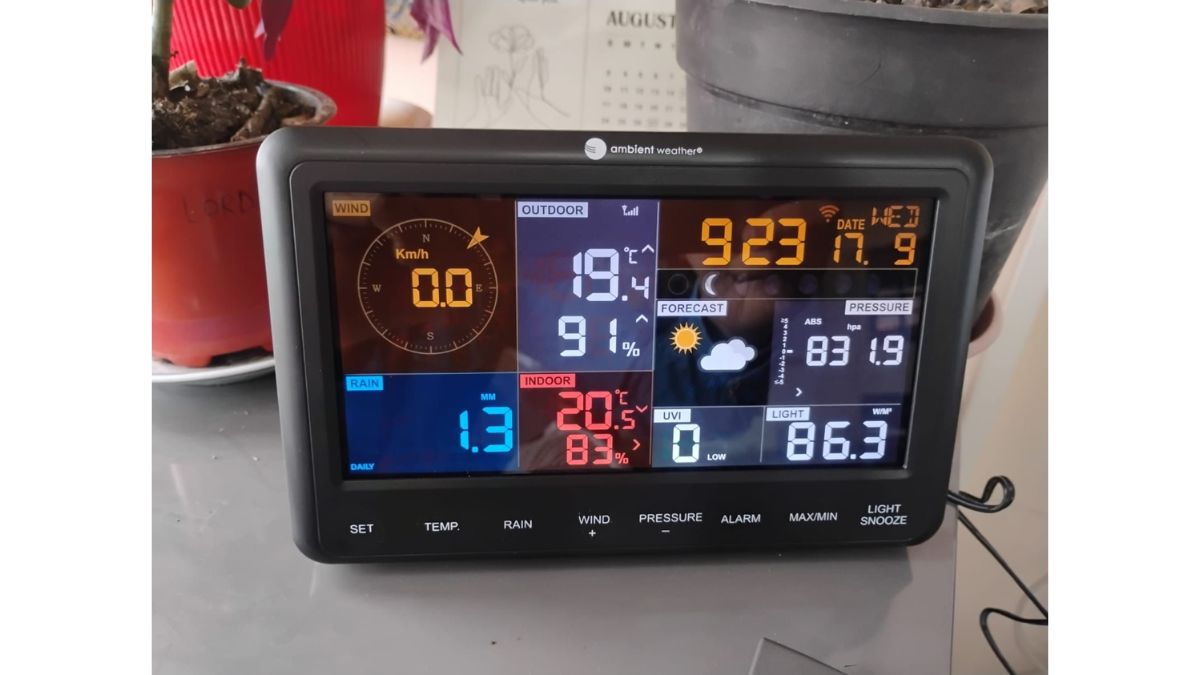
This year’s theme, “Observing Today, Protecting Tomorrow,” gets to the heart of what meteorology really does. It’s about the link between what we measure now and what we can prevent later. Every data point collected (whether from a satellite, a radar, or a weather station) feeds into decisions that can reduce risk, save livelihoods, and in many cases, save lives. The idea is simple: the better we observe the present, the better prepared we are for what’s coming.
At a basic level, meteorology is the science of the atmosphere – studying temperature, humidity, wind patterns, and precipitation. But in today’s world, its significance goes far beyond daily forecasts. With the growing impacts of climate change, meteorological data has become essential for understanding shifting weather extremes – whether it’s more intense heatwaves, erratic monsoons, or increasingly severe cyclones.
In countries like India, where millions depend on seasonal rainfall for agriculture, meteorological services play a critical role in livelihoods. The timing and intensity of the monsoon can determine crop yields, water availability, and even food prices. Early warnings about extreme weather events – like cyclones along coastal regions or floods in river basins – can help authorities evacuate communities, safeguard infrastructure, and reduce loss of life.
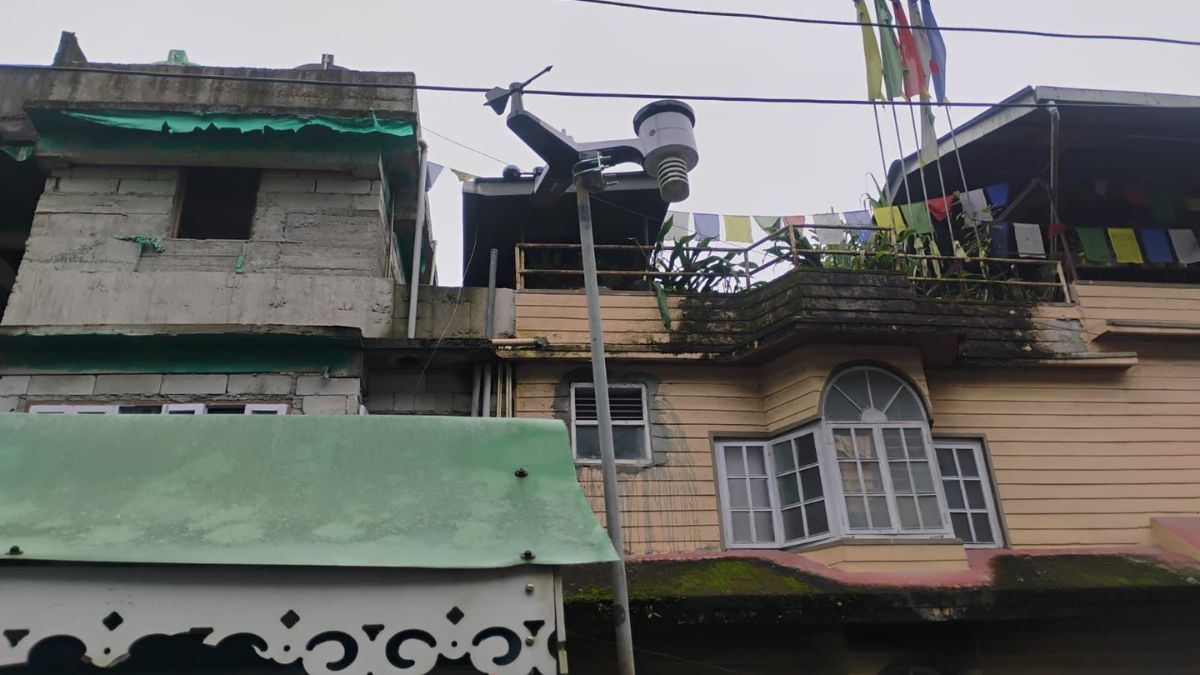
This role is made tangible through the work of the India Meteorological Department (IMD), which transforms atmospheric science into a system of public protection. Established in 1875, IMD is one of the oldest scientific institutions in the country and among the most consequential. Its value lies not only in issuing forecasts, but in sustaining the national architecture that makes those forecasts possible: Doppler Weather Radars tracking severe weather in near real time across the country’s diverse geography, INSAT-3D and INSAT-3DR providing continuous updated satellite observations through the day, a dense network of automatic weather stations and automatic rain gauges feeding uninterrupted ground-level data, and upper-air observation systems and numerical weather prediction models helping forecasters detect atmospheric shifts before they develop into crises.
Together, these systems form an integrated observational backbone that operates around the clock, across seasons, and at a scale that few institutions anywhere in the world can match. In this sense, meteorology is not merely a scientific discipline or a technical service. It is public infrastructure, as essential in its own way as roads, power, and communications, because it gives society the ability to see risk before risk turns into damage.
What gives IMD’s work its deeper significance is that it increasingly bridges the gap between observation and consequence, between what the atmosphere is doing and what that means for people on the ground. It is no longer only about telling people what the weather will be; it is about helping them understand what the weather will do, and what they should do in response. IMD’s warning ecosystem now spans district-level forecasts and nowcast services, impact-based and sector-specific advisories, multilingual dissemination through websites, SMS and email alerts, CAP-based warning systems integrated with national emergency protocols, and widely used public-facing applications such as MAUSAM, Meghdoot, and DAMINI.
That matters because disaster resilience is not built only in the aftermath of a cyclone, flood, lightning strike, or heatwave. It is built in the hours and days before impact, when a warning is trusted, understood, and acted upon; when a farmer can adjust irrigation or delay a harvest, a fisher can stay ashore, a city administration can activate heat action plans, and a district authority can move from a posture of reaction to one of anticipation. The difference between a warning issued and a warning acted upon is institutional credibility, and that credibility is earned over decades of accuracy, consistency, and relevance.
Resilience is built through the quieter systems that work before disaster strikes: observation networks that never sleep, forecast models that run continuously, warning protocols refined through experience, communication channels that reach the last mile, and the institutional trust required to make science usable in everyday decisions. That is the larger role meteorology now plays in national life. It supports not just forecasting, but governance; not just awareness, but preparedness; not just scientific understanding, but the kind of public confidence that moves people to act on information rather than ignore it.
Beyond emergencies, meteorology also supports sectors like aviation, shipping, energy, and public health. From ensuring safe flights to predicting air quality levels, the reach of meteorological science is vast and deeply integrated into modern life.
Yet, despite its importance, gaps remain. Many parts of the world still lack robust weather monitoring infrastructure, limiting their ability to predict and respond to climate risks. World Meteorological Day serves as a reminder of the need for stronger global cooperation, better data sharing, and investment in scientific capacity – especially in developing regions.
The question is no longer whether weather and climate will impact our lives, but how prepared we are to deal with those impacts. This is where the true value of meteorology lies – not just in telling us whether to carry an umbrella, but in helping societies build resilience against an uncertain future.
World Meteorological Day, then, is not just about celebrating a scientific field. It is about recognizing a global system of knowledge and cooperation that protects lives, supports economies, and helps humanity navigate the complexities of a changing planet.
If you object to the content of this press release, please notify us at [email protected]. We will respond and rectify the situation within 24 hours.