Why India Imports 700+ Tonnes of Gold Every Year: Explained
New Delhi [India], May 29: Gold occupies a rare and unique space in India’s economy and culture. It is inherited across generations, gifted during festivals, and often treated as a practical asset of value. That is why the India gold import story is never just about luxury; it is also about household savings and buying behaviour shaped by trust.
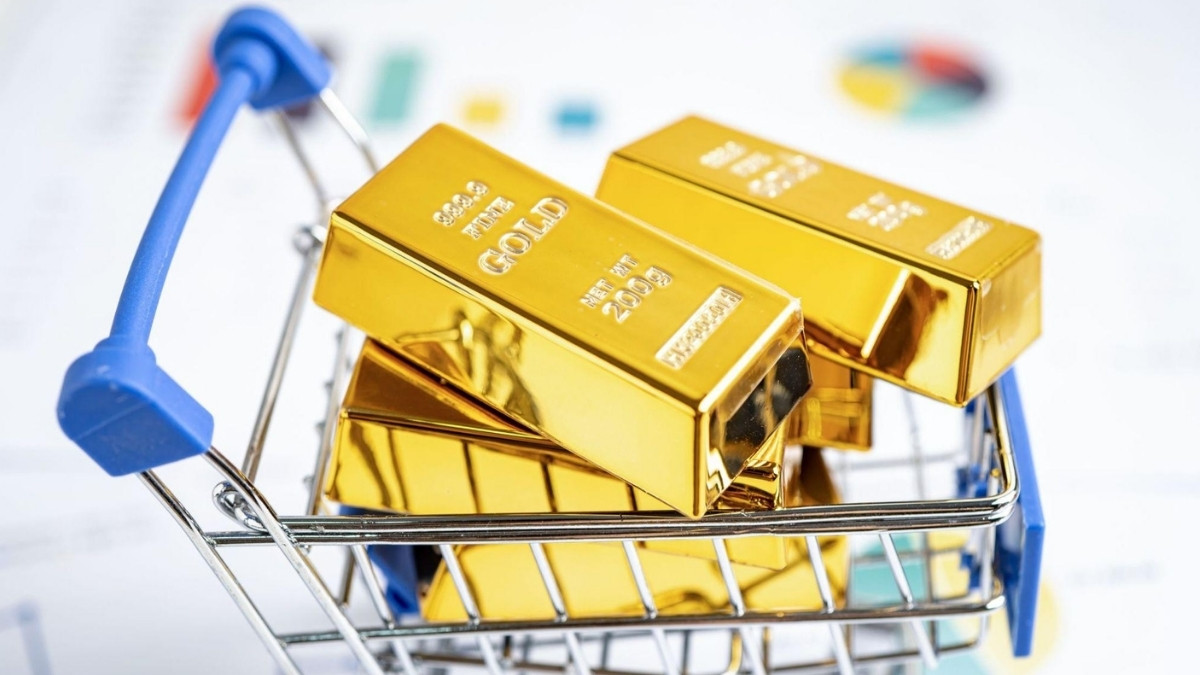
Every year, India brings in well over 700+ tonnes of gold because domestic demand stays far ahead of local supply. India does mine some gold, but not enough to meet the scale of consumption across jewellery, investment bars, coins, and seasonal purchases. So when demand rises, imports naturally fill the gap.
Why the Demand Stays Strong
One reason for this substantial demand is the emotional aspect associated with the metal. Gold is deeply tied to milestones like weddings, births, anniversaries, and festive rituals. Another reason is financial, as many families still see gold as a tangible asset.
- This is why gold import in India tends to remain structurally high despite price swings. When prices soften, buying often rises because people see an opportunity. When prices climb, demand may slow briefly, but it rarely disappears altogether. Buyers simply adjust the quantity, design choice, or timing.
- The same pattern shows up in broader India import-export data as well. Gold often remains one of the country’s major import items because it is at the intersection of consumption, savings, and cultural continuity.
The Role of Prices and Policy
No conversation about the import of gold in India is complete without looking at pricing. The retail cost of jewellery depends on several moving parts: the international bullion price, the rupee-dollar equation, local taxes, and jeweller-level charges. That is why the gold rate consumers track every day is linked to much more than market sentiment alone.
- Policy also plays a major role. The import duty on gold affects landed cost, and even small changes can reshape buying patterns.
- Still, higher prices do not automatically reduce demand in a market like India. Instead, they often change how people buy.
Why Exchange is Becoming More Important
Instead of making entirely fresh purchases, many buyers are turning to gold exchange. Old jewellery that stays unused in lockers is now being seen as a value that can be unlocked. For households trying to manage budgets while keeping up with changing tastes, exchange feels practical.
- The logic is simple. If a family already owns old bangles, chains, or inherited pieces that no longer match current preferences, exchanging them reduces the out-of-pocket cost of buying something new. In a high-price environment, that benefit matters more.
- At a larger level, it also helps domestic gold re-enter circulation, reducing some dependence on freshly imported gold and supporting a more efficient gold economy for India.
- This trend has become stronger as consumers grow more aware of hidden deductions, purity-related surprises, and unclear valuation methods in the unorganised market. People do not just want a good design anymore. They want to know exactly how their old gold jewellery is being tested, weighed, and priced.
What Buyers Now Expect From Exchange
The modern gold buyer is more informed than before. They are likely to ask a few basic but important questions.
- Was the purity tested transparently?
- Was the stone weight separated from the gold weight?
- Did the old gold stay in front of the customer during the process?
- Was the final valuation easy to understand?
Those questions explain why organised jewellers have gained ground in the exchange conversation. The shift is not only about aesthetics or store experience; it is increasingly about process clarity.
How Tanishq is Bringing a Change
At a time like this, some large jewellery retailers have started standing out. Tanishq, for example, has built a strong reputation around exchange because the process is designed to feel visible rather than mysterious.
- At its stores, customers can always see all the steps happen in front of them, from weighing and purity checking to melting. Old gold never leaves your sight, which immediately reduces anxiety.
- The use of the Karatmeter for purity assessment, separate calculation for gold and stones, and same gold selling and exchange rates helps create confidence at a time when every gram matters. That matters even more for people exchanging jewellery bought elsewhere.
- One long-standing hesitation in the market has been whether a jeweller will fairly value old pieces from another store. Organised exchange programs have helped reduce that concern. In Tanishq’s case, the acceptance of old gold from any jeweller, even across a broad purity range and often without a bill, makes the process more practical for everyday consumers.
Why This Matters in a High-Import Country
India’s gold demand remains deeply tied to the way households save, celebrate, and pass wealth across generations. But as prices stay elevated, the form of demand is evolving. Instead of relying only on freshly purchased gold, many families are increasingly turning to exchange as a smarter and more cost-conscious option.
By bringing old and unused jewellery back into circulation, exchange helps reduce dependence on newly imported gold while still allowing consumers to buy, upgrade, or redesign jewellery according to current preferences. In that sense, exchange is not just a practical financial choice for households, but also a more sustainable approach for a country that relies heavily on imported gold to meet demand.
If you object to the content of this press release, please notify us at [email protected]. We will respond and rectify the situation within 24 hours.