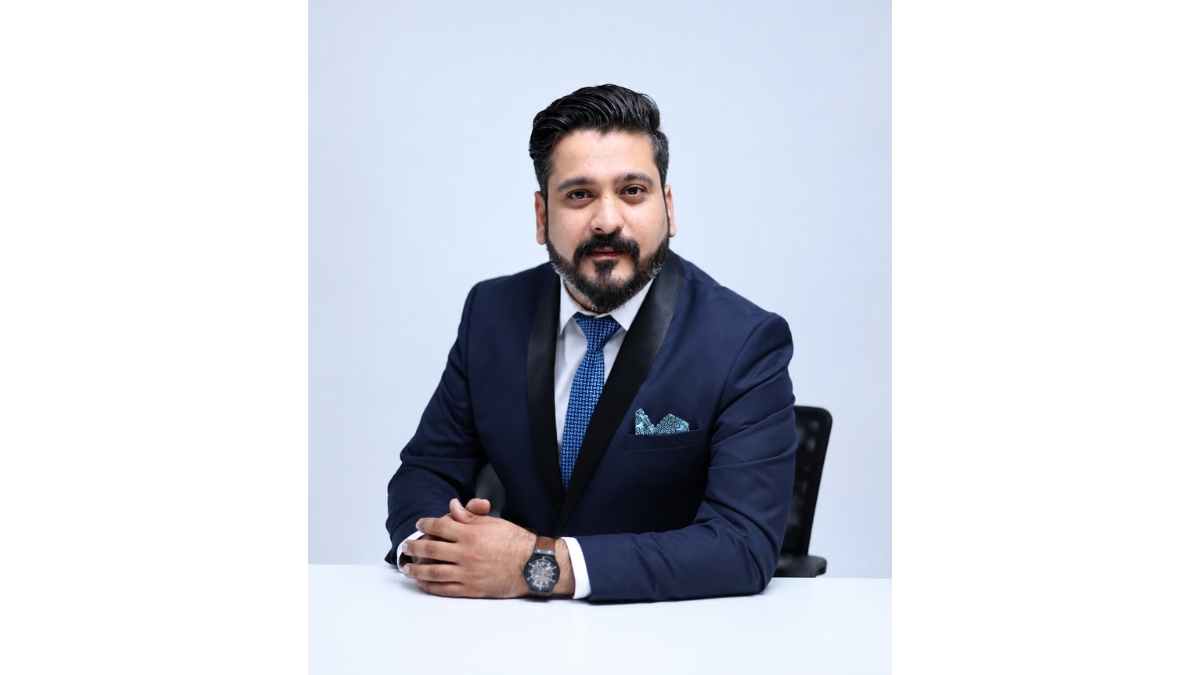
Bengaluru’s economic growth needs infrastructure to keep pace
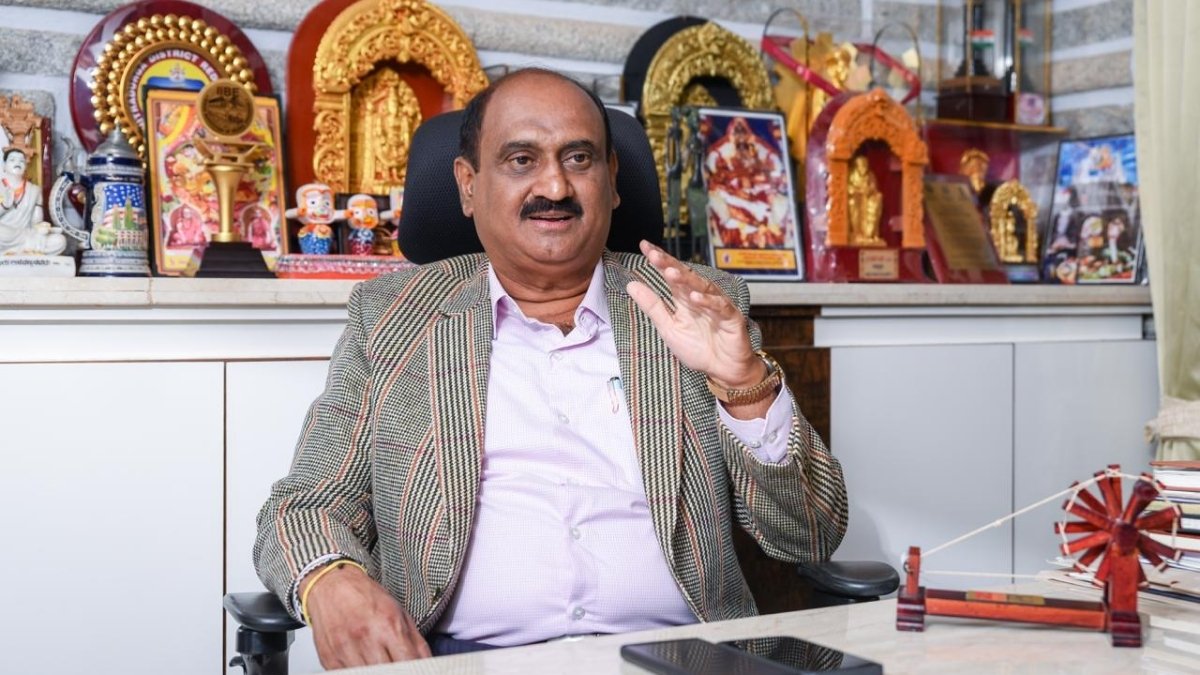
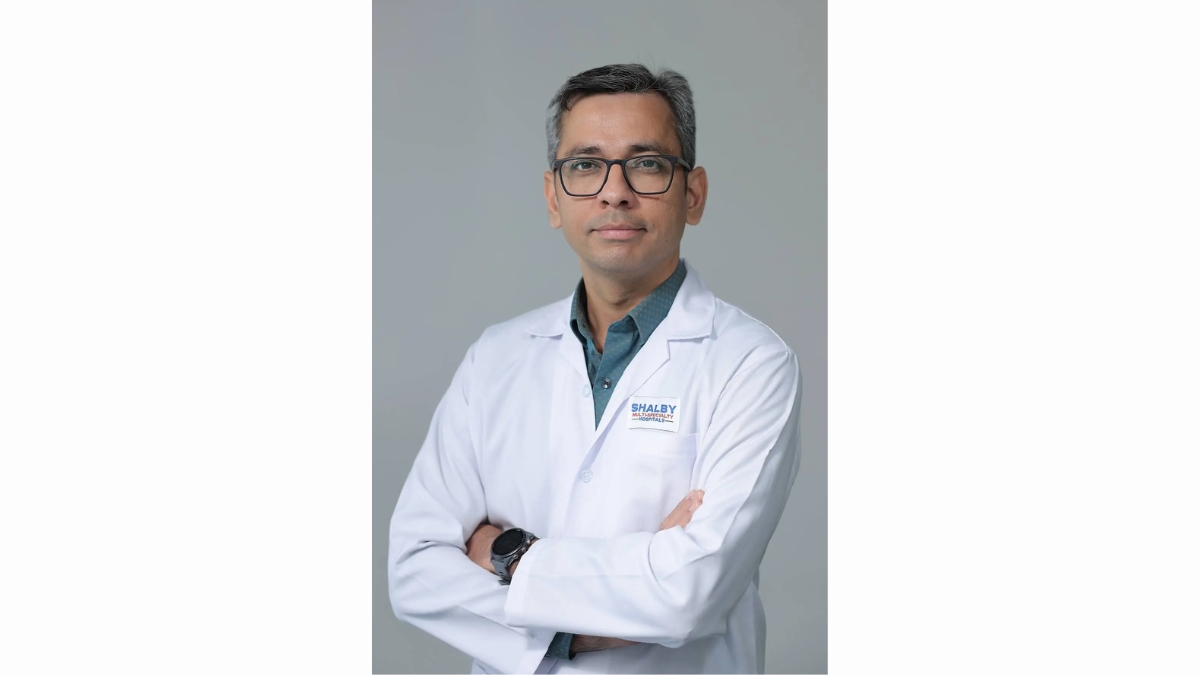
Dr. K.S. Krishna Reddy, a veteran infrastructure leader, has contributed to Karnataka’s road and public infrastructure development for over four decades.
Bengaluru (Karnataka) [India], September 29: Bengaluru is no longer facing just a traffic problem — the city is facing an infrastructure crisis that demands immediate, long-term action, said Dr. Krishna Reddy, former Secretary, Public Works Department (PWD), and former Managing Director, Karnataka Road Development Corporation Limited (KRDCL).
Over the past three decades, Bengaluru has grown at an extraordinary pace. Its population has nearly tripled, the urban limits have expanded substantially and the vehicle population has crossed one crore. The pressure continues to mount, with RTOs registering approximately 10,000 new vehicles every month, predominantly private vehicles.
“We are trying to manage a 21st-century metropolitan city with infrastructure that has not kept pace with its growth. This is no longer sustainable. Bengaluru needs to plan for the next 20 to 30 years, not simply find temporary solutions for today’s congestion,” Dr. Reddy said.
Bengaluru’s growth has been predominantly radial, with homes, offices, commercial centres and employment moving increasingly towards the outskirts. As a result, people are travelling longer distances every day, often spending hours on roads that were never designed for today’s volumes.
“People are either living on the outskirts, working on the outskirts, or travelling between the two. The fundamental question is how we move these people quickly, safely and efficiently without breaking their backs in slow-moving traffic,” he said.
NO SINGLE MODE CAN SOLVE BENGALURU’S PROBLEM
Dr. Reddy said Bengaluru must stop looking for a single solution to its mobility crisis. Metro, suburban rail, BMTC buses, walking and cycling infrastructure, roads and last-mile connectivity all have to work as one integrated system.
Namma Metro is an essential part of the solution, but its coverage is still limited compared with the size of the city and inadequate parking and first- and last-mile connectivity at several stations mean that a large number of citizens will continue to depend on the road network.
BENGALURU CANNOT KEEP WIDENING ROADS AT GROUND LEVEL
According to Dr. Reddy, the biggest challenge is that large-scale road widening is becoming increasingly difficult in built-up areas.
“Buildings have already come up densely in many parts of Bengaluru. In several corridors, there simply isn’t enough land to keep widening roads at grade level. We have to start thinking above and below the existing road network.”
He said Bengaluru needs a new generation of road infrastructure comprising grade separators, rotary flyovers, short and long flyovers, railway overbridges and underbridges, underpasses and tunnels of adequate length wherever technically and financially feasible.
“We have to stop thinking junction by junction and start thinking corridor by corridor. If a commuter has to cross 12 or 15 signals, fixing one signal or building one small flyover will not solve the problem. We need continuous corridors that allow traffic to bypass multiple bottlenecks,” he said.
The proposed Bengaluru Business Corridor, formerly known as the Peripheral Ring Road, will be an important addition to the city’s network, he said, but it cannot by itself address congestion within the existing urban area.
TWO LONG FLYOVER CORRIDORS WERE ALREADY PLANNED
Dr. Reddy recalled that during his tenure in government, plans had been prepared and approvals obtained for two long flyover corridors with access ramps, designed to provide uninterrupted movement and bypass 12–15 signalised junctions at grade level.
The proposed corridors, covering north-south and east-west movements, were designed to substantially improve capacity and reduce delays on important routes. “These were not conceived merely as individual flyovers. They were planned as long, continuous mobility corridors. Depending on the final traffic configuration and design, such corridors could potentially take around 20% of the existing traffic off the affected routes,” Dr. Reddy said.
He stressed that the importance of such projects increases every year as vehicle numbers continue to rise.
“Every year we add thousands of vehicles to the network. If we know this is happening, why wait until congestion becomes unbearable before starting the infrastructure?”
DELAY TODAY WILL MAKE THE SOLUTION COSTLIER TOMORROW
Dr. Reddy warned that postponing major infrastructure decisions will only make Bengaluru’s problems more expensive and difficult to solve.
“Every year of delay means more vehicles, more buildings, higher land costs and greater difficulties in construction. A corridor that is feasible today may become extremely difficult to execute five or ten years from now.”
He called for an integrated metropolitan infrastructure plan with a 20–30 year horizon, backed by clear priorities, funding mechanisms, approvals and execution timelines.
“There is no short-term fix for a city of Bengaluru’s size. We need to identify the major corridors now, plan the infrastructure now and start execution now. Planning cannot end with reports and proposals; projects have to reach the ground.”
TRAFFIC IS NO LONGER JUST A TRAFFIC ISSUE
Dr. Reddy said Bengaluru’s congestion has now become an economic and quality-of-life issue.
“Time lost in traffic is productivity lost. It affects businesses, employees, students, families, emergency services and the overall liveability of the city. Bengaluru’s infrastructure is directly linked to the city’s economic future.”
He said the objective should not merely be to make cars move faster, but to enable people and goods to move faster, safely and efficiently.
“Bengaluru is one of India’s most important economic engines. We cannot allow infrastructure constraints to become a barrier to its growth,” he said.
Dr. Reddy called for coordinated planning between all agencies responsible for roads, public transport, Metro, suburban rail and urban development, with projects selected on the basis of future demand rather than today’s congestion alone.
“We must plan for the Bengaluru of 2050, not the Bengaluru of yesterday.”
His message to policymakers was unequivocal:
“There is no magic project that will solve Bengaluru’s congestion. But there is a solution — integrated planning, large-scale infrastructure and the political will to execute. If we postpone decisions today, we will simply leave a much bigger crisis for the next generation.”