Tower Above, Crops Below: The Reality of Farming with Transmission Lines in South Gujarat
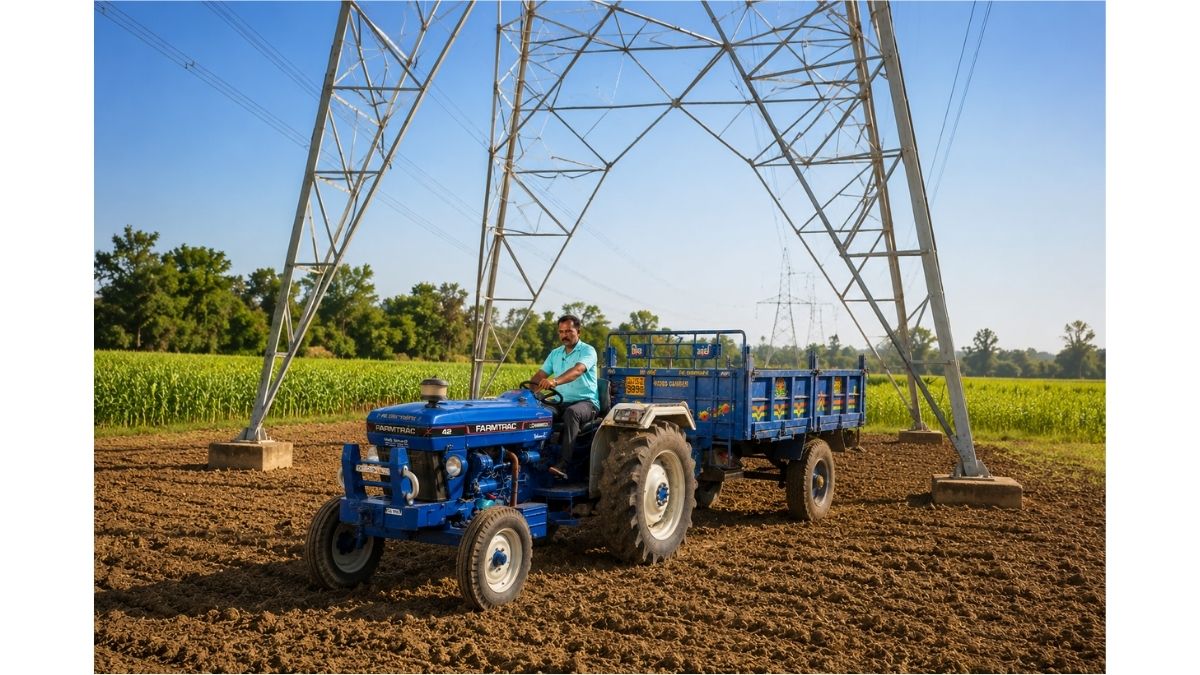
Valsad (Gujarat) [India], May 18: For decades, a common belief among rural communities has been that transmission towers disrupt farming and reduce land productivity. However, a compelling on-ground story from Vankal village in South Gujarat is challenging this perception—proving that agriculture and infrastructure can successfully coexist.
Developed by Khavda IVC Power Transmission Ltd, the transmission line project is not only strengthening power connectivity but also safeguarding farmers’ livelihoods through a balanced and transparent approach.
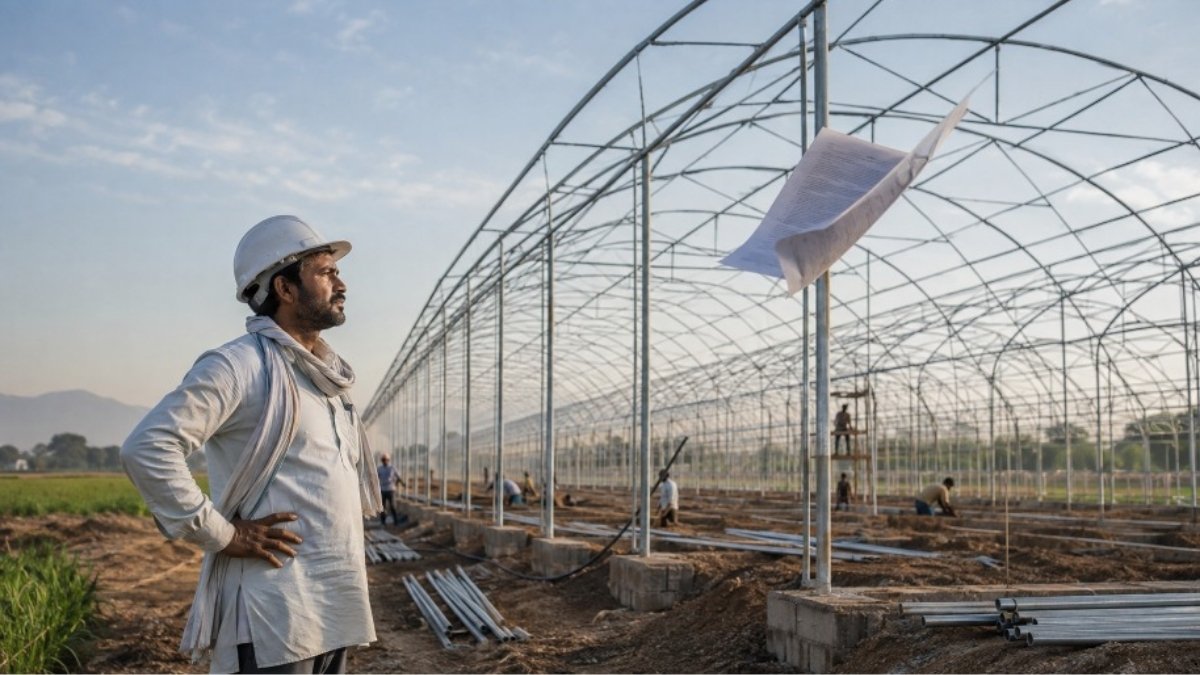
Local farmers initially had concerns about losing usable farmland. But today, the reality on the ground tells a very different story. Even after the installation of high transmission towers, agricultural activities continue uninterrupted. Thanks to the considerable height of these structures, farmers can easily operate tractors beneath the towers and cultivate crops both around and directly under them.
One such farmer from Vankal village, Jitendra Padhiyar, shares that after the tower installation on his land, he received due compensation for land usage as well as crop-related impact. Importantly, his farming activities have not been restricted in any way. “I can still drive my tractor under the tower and continue farming as before. Crops grow well even in the tower area, so my income has not stopped—it continues smoothly,” he explains.
This practical reality directly counters the myth that such infrastructure leads to loss of agricultural productivity. Instead, farmers are experiencing a dual benefit—receiving fair compensation while continuing to generate income from the same land.
Adding to this perspective, village leadership has also acknowledged the positive impact. The project has been implemented with clear communication, ensuring that farmers understand both the process and the long-term usability of their land.
Spanning 258 kilometers, the transmission line connects South Olpad (GIS) to Boisar-II (GIS), playing a crucial role in strengthening India’s power infrastructure. At the same time, it is setting a strong example of how development projects can respect local communities and preserve traditional livelihoods.
By enabling uninterrupted farming even after infrastructure installation, the Khavda C project is effectively busting long-held myths—demonstrating that progress does not come at the cost of farmers, but can instead work alongside them.
Empowering Infrastructure. Supporting Communities.
If you object to the content of this press release, please notify us at [email protected]. We will respond and rectify the situation within 24 hours.